
Semi Truck Repair San Antonio: What Top Commercial Fleets Check Before Choosing a Shop
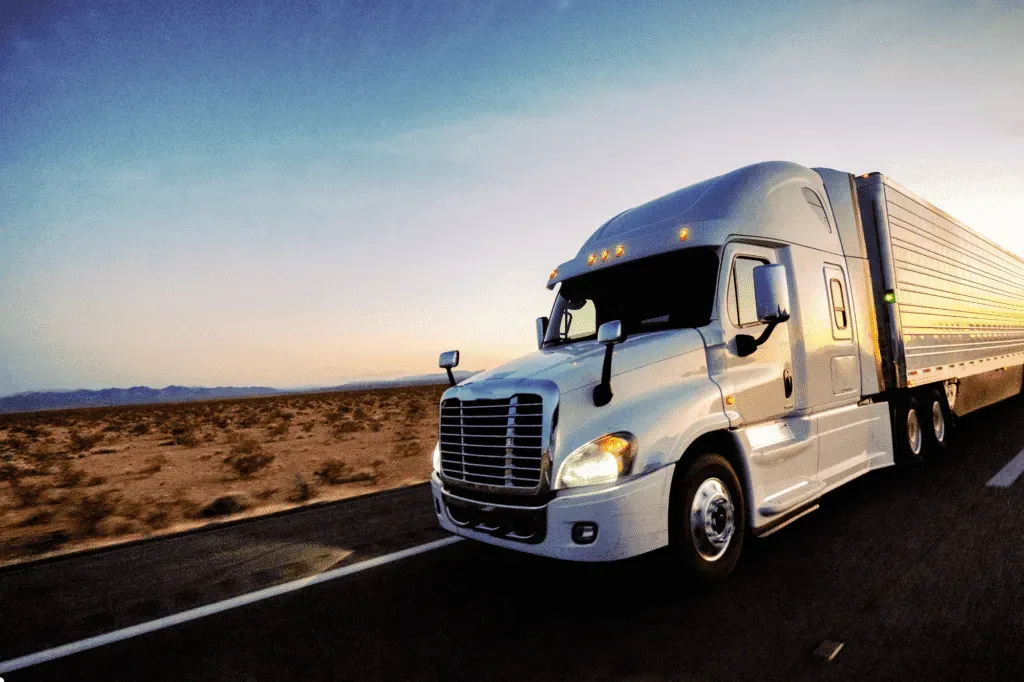
Fleet managers in San Antonio know the drill. A single semi sitting on the shoulder of I-35 near Rittiman Road at 5:30 a.m. can ripple through an entire day’s deliveries. Large commercial fleets and high-volume distribution operations run tight schedules across the metro. Their trucks move product from major distribution centers on the East Side to stores and warehouses throughout South Texas and beyond. When these high-level fleet teams choose a repair partner, they do not guess. They measure everything.
This guide breaks down exactly what top commercial fleets evaluate before they sign a contract. It is built from real conversations with fleet procurement people, Texas Department of Public Safety inspection rules, and the daily realities of running trucks in South Texas heat.
Why Choosing the Right Semi Truck Repair San Antonio Partner Is a Multi-Million-Dollar Decision for Fleet Ops
One truck out of service for three days can cost a fleet $3,000 to $6,000 in lost revenue, towing, and penalties. Multiply that across a 40-truck operation and you are looking at real money fast. San Antonio fleets face extra pressure. I-35 and I-10 see heavy volume. Summer temperatures above 100 degrees punish cooling systems and DEF tanks. Winter nights can drop low enough to crystallize fluid in the lines.
High-level fleet maintenance runs on tight schedules. Drivers hit major distribution centers on Foster Road and key logistics hubs. Any shop that cannot keep those trucks moving at 2 a.m. on Loop 410 is not a partner. They are a risk.
TX DOT Inspection Compliance — The Non-Negotiable Starting Point for Any Top Fleet Shop
Texas requires annual inspections for every commercial vehicle registered in the state. That rule comes straight from the Texas Department of Public Safety and lines up with FMCSA standards. Shops that treat these inspections as an afterthought get found out quickly.
Good partners do more than stamp the paperwork. They catch small issues during routine service so the truck passes on the first try. They keep digital records that survive a DOT audit. They know the difference between a Texas annual inspection and the full periodic inspection required for interstate work.
Ask any shop you are considering: “How many TX DOT inspections did you perform last month and what was your first-pass rate?” The answer tells you everything.
The 8-Point Top Commercial Fleet Checklist: What Elite Fleets Evaluate Before Signing Any San Antonio Diesel Repair Contract
Procurement teams running serious high-volume operations use this exact list. Shops that check every box win the contract. Shops that miss two or three stay on the backup list.
- Proven high-volume fleet experience Owner-operator work is different from moving 180 trailer loads a day. The best shops can show references from retail distribution fleets, grocery carriers, and major logistics companies. They understand reefer units, tight delivery windows, and the cost of a missed slot.
- Full-spectrum san antonio diesel repair capabilities One call should cover engine work on Cummins ISX or Detroit DD15, transmission rebuilds, DPF and EGR cleaning, brake jobs, and electrical diagnostics. Fleets hate sending one truck to three different vendors.
- Certified technicians with real OEM training Look for ASE certifications plus manufacturer training on the engines your fleet actually runs. A shop that only knows older mechanical pumps will struggle with 2023 emissions systems.
- Deep TX DOT and FMCSA regulatory expertise The right partner does not just perform inspections. They help you stay compliant year-round. They know the exact items inspectors check under Appendix G and they document everything so your safety director sleeps at night.
- Speed, capacity, and 24/7 reliability Breakdowns do not happen between 8 and 5. The shop you choose must offer mobile service on I-35, I-10, and Loop 1604 at 3 a.m. They need enough bays and technicians to handle multiple trucks without pushing your schedule back two days.
- Transparent fleet pricing and contract models No surprise invoices. The best partners offer volume discounts, fixed preventive maintenance schedules, and cost-per-mile reporting. You should know what a full service costs before the truck rolls in.
- Advanced diagnostics and predictive technology Shops still using only code readers are behind. Top outfits pull data from telematics, run oil analysis, and catch failing turbos or injectors before they strand a driver near the Amazon warehouse in Schertz.
- Location, scale, and true partnership mindset Proximity matters. Shops near the big distribution corridors cut drive time. More important is attitude. Do they treat your fleet like a partner or just another invoice? The right shop assigns a dedicated contact who knows your trucks and your routes.
San Antonio-Specific Challenges That Separate Average Shops from Elite Fleet Partners
Texas heat is brutal on diesels. Coolant systems work overtime. DEF crystallizes when temperatures swing. Fuel quality can degrade fast in humid months. I-35 stop-and-go traffic between downtown and the Northeast Side beats up suspensions and brakes faster than long-haul miles.
Shops that understand these patterns build maintenance schedules around them. They recommend more frequent air filter changes during cedar pollen season. They know which routes to major distribution centers put the heaviest load on drivelines. Average shops just change oil and hope for the best. Elite fleet teams notice the difference immediately.
Red Flags Procurement Teams Must Avoid in San Antonio Semi Truck Repair Shops
- No clear process for handling after-hours calls
- Vague answers about certifications or first-pass inspection rates
- Heavy pressure to sign long contracts with no performance guarantees
- Limited diagnostic equipment for newer emissions systems
- No experience with high-volume distribution or retail fleets
If you hear “we can usually get to it tomorrow” when you describe a 2 a.m. breakdown on Loop 410, keep walking.
How the Right San Antonio Partner Turns Maintenance from a Cost Center into a Competitive Advantage
Good maintenance is not an expense. It is insurance. Fleets that partner with shops following this commercial fleet checklist report 30 to 40 percent fewer roadside events within the first year. Drivers spend less time waiting. Dispatchers stop getting 3 a.m. panic calls. Procurement teams can focus on growing routes instead of chasing repairs.
The shops that win long-term contracts track uptime, share monthly reports, and adjust programs when your fleet adds new tractor models. They become an extension of your maintenance department, not just a vendor.
Billy Bob’s Repair & Tire has built its reputation by providing reliable repair and tire services for large commercial fleets and high-level operators across San Antonio. We understand the pressure of tight delivery windows, extreme Texas weather, and the need for true 24/7 reliability.
Questions Smart Fleet Procurement Teams Ask Before Choosing Any Semi Truck Repair San Antonio Shop
- How many trucks similar to ours did you service last quarter?
- What is your average turnaround time for a full brake job on a day cab?
- Can you provide sample maintenance reports you send to fleet clients?
- How do you handle DOT violations found during service?
- Do you offer mobile service within 30 minutes of major distribution centers?
- What training have your technicians completed on 2024 emissions systems?
- Can we do a trial period on three trucks before signing a larger agreement?
Write these down. Ask every shop the same questions. The differences in answers will be obvious.
Frequently Asked Questions
How often should top commercial fleets in San Antonio schedule preventive maintenance?
Most run oil changes and full inspections every 15,000 to 20,000 miles or 90 days, whichever comes first. Shops that know local conditions often tighten that schedule during peak summer months.
What does a full TX DOT inspection cover for semi trucks and trailers?
Inspectors check brakes, steering, suspension, lights, tires, exhaust, fuel system, and safety equipment. They also verify the vehicle matches the registration and insurance on file.
How much does unplanned semi truck downtime really cost a fleet?
Between $1,000 and $2,000 per day per truck when you add lost revenue, towing, driver pay, and customer penalties. Some high-volume routes cost more.
What certifications should I look for in a San Antonio diesel repair shop?
ASE Master Technician status plus specific training from Cummins, Detroit, PACCAR, or International. Any shop serious about fleet work will list these openly.
Do top shops offer mobile service for large fleets?
Yes. The partners that win high-level commercial fleet business have dedicated mobile units that can reach trucks on I-35, I-10, or at your yard within an hour.
Ready to Work with a Shop Built for Large Commercial Fleets in San Antonio?
The shops that pass every point on this checklist are not the cheapest. They are the ones that keep your trucks moving and your safety record clean. If you run commercial operations in San Antonio and want a partner who understands the real pressure of distribution center schedules, high summer heat, and tight delivery windows, reach out today.
Billy Bob’s Repair & Tire was built for exactly this level of work. We provide expert semi truck repair and tire services for large commercial fleets and high-level operators every day. Call or schedule a fleet readiness review. We will walk your team through exactly how we handle the eight factors above and show you real data from trucks running the same routes you do.
Your drivers deserve shops that treat every breakdown like it is the only one that matters. Let’s keep those trucks rolling.