



How Texas Summer Heat Affects Semi Truck Tires
How Texas Summer Heat Affects Semi Truck Tires
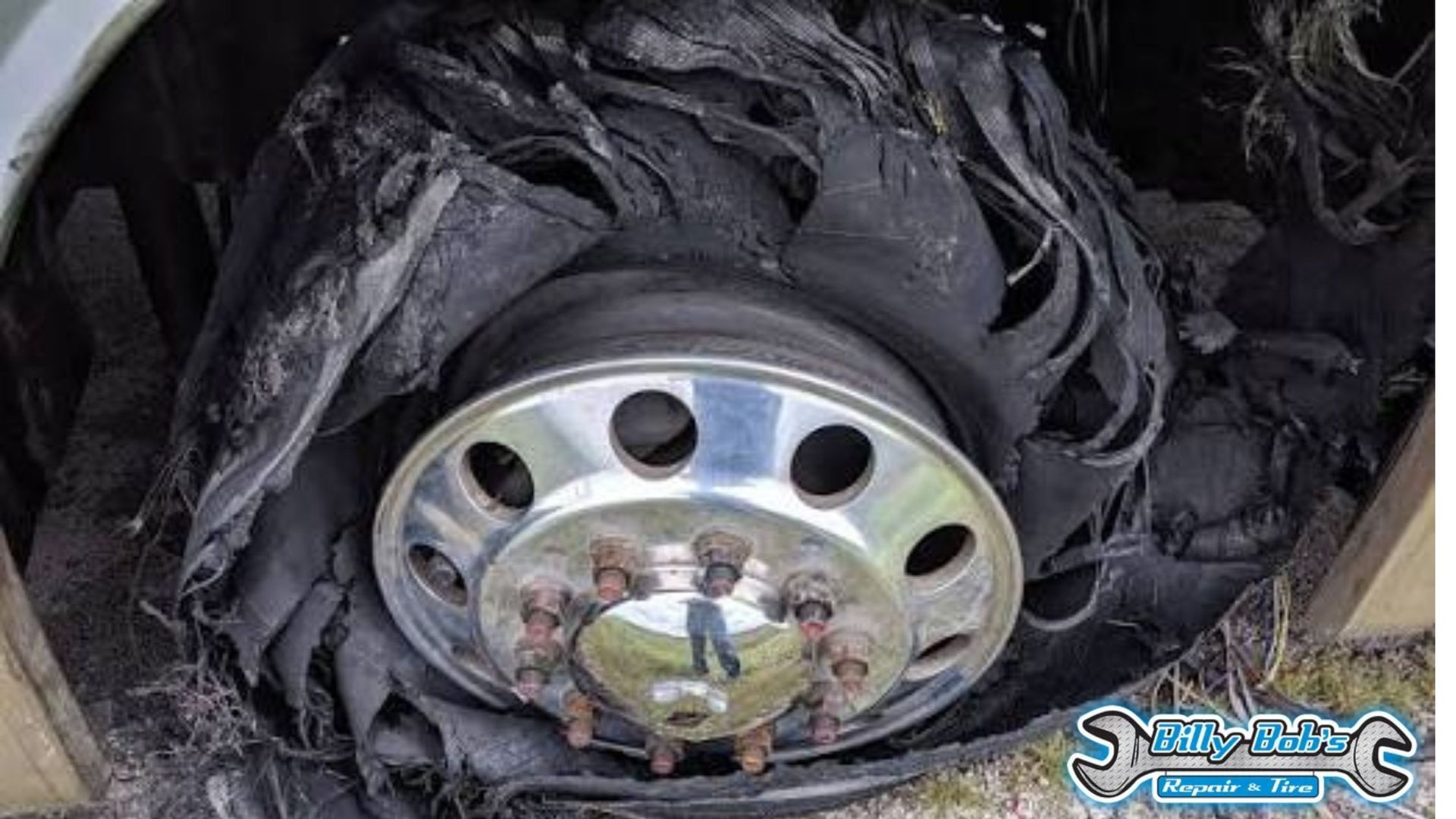
Texas asphalt does not play fair in July. The dash might read 101°F, but the road surface under an 18 wheeler can run 40 to 60 degrees hotter than the air above it. That heat soaks into the tire, raises internal pressure, softens the rubber compound, and sets up the exact conditions that lead to a blowout on I-10 or I-20. Fleets running commercial truck tires in Texas need a heat plan that fleets in Ohio or Oregon simply do not.
Why Texas Heat Hits Tires Harder Than Other States
The road gets hotter than the weather report
Air temperature is not the number that matters. Drive I-20 through Midland on a July afternoon and a pavement thermometer can read past 150°F while the truck stop marquee says 101. Dark asphalt absorbs sun and holds heat long after sunset. A tire rolling at highway speed across that surface for eight or ten hours never gets a real chance to cool down.
Texas routes stack load on top of heat
Heat alone is bad. Heat plus a loaded trailer is worse. Oilfield runs out of Midland, Odessa, and Pecos carry heavy axle weights across exposed two-lane roads with little shade. Drayage trucks working the Houston Ship Channel sit in stop and go traffic, which builds heat in the tire without the cooling benefit of steady highway speed. And at Laredo's World Trade Bridge, the busiest truck crossing on the southern border, trucks idle in line for inspection while the asphalt cooks underneath them. Each of these is a different kind of stress, and Texas has all three within a single state.
What Heat Actually Does Inside a Tire
Air expands, and underinflation makes it worse
Tire pressure rises with temperature, roughly 1 PSI for every 10 degree jump. That is manageable on its own. The real danger shows up when a tire starts the day even a few pounds low. An underinflated tire flexes more with every rotation, and that flexing generates its own heat on top of whatever the road is already adding. The two effects compound fast.
The rubber breaks down from the inside out
Sustained heat softens the rubber compound and speeds up oxidation in the casing, the structural layer under the tread. Once the casing starts to break down, the tread can separate from the body of the tire at highway speed. That is how a slow leak or a months old underinflation problem turns into a blowout on the shoulder of I-35 outside Waco.
Warning Signs You Should Not Ignore
- Sidewall bulging, cracking, or a soft spot you can press in with a thumb
- Tread blistering or chunks of rubber missing from the surface
- A TPMS alert that keeps coming back after you top off the air
- Vibration or pulling that was not there last week
- Visible discoloration or a chalky texture on the rubber
Any one of these on a Texas summer route is worth pulling over for, not waiting until the next scheduled stop.
Protecting Your Tires Through a Texas Summer
Check pressure more than once a day
A pre-trip check is not enough between May and September. Pressure should be checked cold, before the truck has been driving, and again at a midday stop if the route runs more than four or five hours. Drivers running the Permian Basin or the I-10 corridor between San Antonio and Houston are often better served by a second check at a fuel stop than by a perfect pre-trip inspection that gets undone by 100 miles of hot pavement.
Match tread depth to the federal minimum, not the legal minimum
FMCSA rules under 49 CFR 393.75 set a hard floor of 4/32 inch on steer tires and 2/32 inch on drive and trailer tires. That is the line for a roadside inspection, not a safe target for Texas summer driving. Tires running close to that minimum have less rubber between the road and the casing, which means less material to absorb heat before it reaches the parts of the tire that actually fail.
Pick tires built for the route, not just the price
Steer tires
Steer tires run hotter relative to their size because they carry less load but take more flex through turns. A silica based, heat resistant compound on steer position pays for itself the first time a fleet avoids a blowout on a loaded haul through Big Spring or Sonora.
Drive tires
Drive tires carry the most torque and the most heat from the duals running close together. Spacing and matching dual pressures matters more in Texas heat than almost anywhere else, since a mismatched dual pair runs one tire hotter than its partner.
Trailer tires
Trailer positions are where most fleets run retreads, and that is usually fine. FMCSA does not allow retreads on steer axles for a reason, but a quality retread on a trailer tire holds up well if the casing was sound before it went back on the road. The exception is a trailer that sits loaded in the sun for days at a stretch, like equipment staged for an event such as the Permian Basin International Oil Show in Odessa. Extended static heat exposure ages a retread faster than rolling miles do.
Finding The Right Commercial Truck Tires in Texas
A tire that performs in Dallas traffic is not automatically the right call for a Permian Basin oilfield route or a Laredo drayage run. The right choice depends on load range, route, and how much static heat exposure the truck sees between loads. A Texas based dealer with mobile service across the I-35 and I-10 corridors can match tread compound and load range to the actual route instead of selling whatever is in stock. If you are weighing commercial truck tires in Texas right now, start with the route, then the load, then the brand.
Frequently Asked Questions
How hot does Texas asphalt get in summer?
Pavement temperatures regularly exceed 140°F during Texas summer afternoons and can climb past 150°F on dark asphalt in direct sun, even when air temperature sits in the upper 90s.
What PSI should commercial truck tires run in summer?
Set pressure to the cold inflation spec on the tire's sidewall or the manufacturer's load chart. Do not lower pressure to compensate for heat. Check more often instead.
How often should drivers check tire pressure in extreme heat?
Pre-trip at minimum, with an added midday check on any route running more than four hours through peak afternoon heat.
Can heat alone cause a tire blowout?
Heat speeds up the failure of a tire that already has a weakness, such as underinflation, an old casing, or uneven wear. A properly inflated, well maintained tire can handle Texas heat without failing.
Are retread tires safe for Texas summer driving?
Yes, on drive and trailer positions, as long as the original casing was sound. Retreads are not approved on steer axles under federal rules.
What is the legal minimum tread depth for commercial trucks?
4/32 inch on steer axles and 2/32 inch on drive and trailer axles, per FMCSA regulation 49 CFR 393.75.